Time to 'Look Behind the Label'
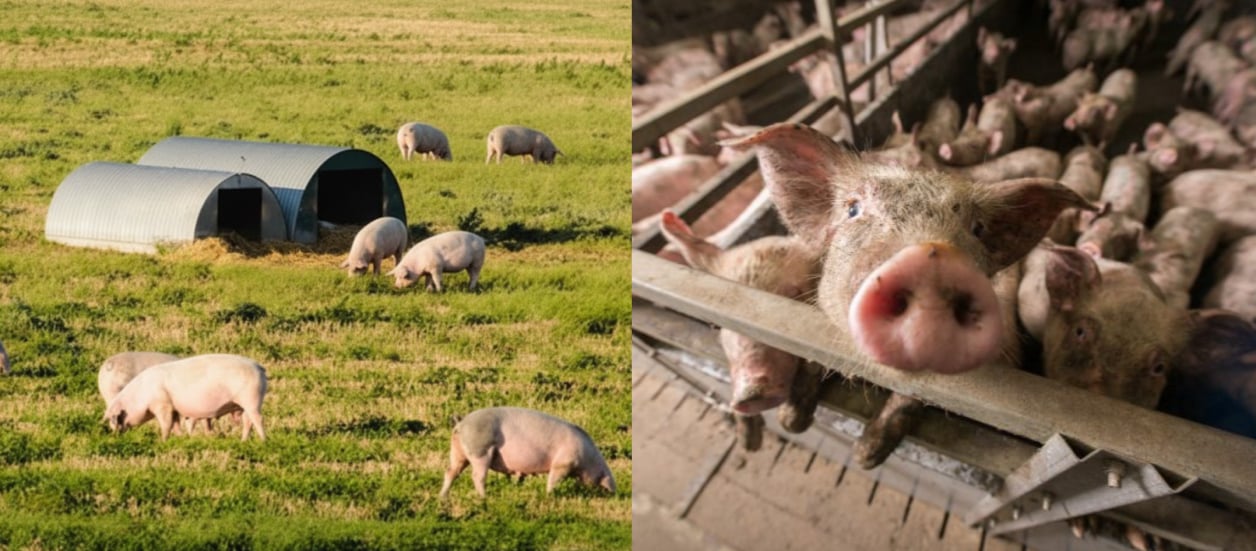
Outdoor Bred
What they want you to think:
The animals’ entire lifecycle was spent outdoors—from birth to harvest—in spacious, natural surroundings.
What they actually mean:
“Outdoor bred” emphasises the moment of birth or early life, but doesn’t guarantee full outdoor raising until slaughter or full access to pasture. It may be used more as a marketing tag than a strict welfare standard.
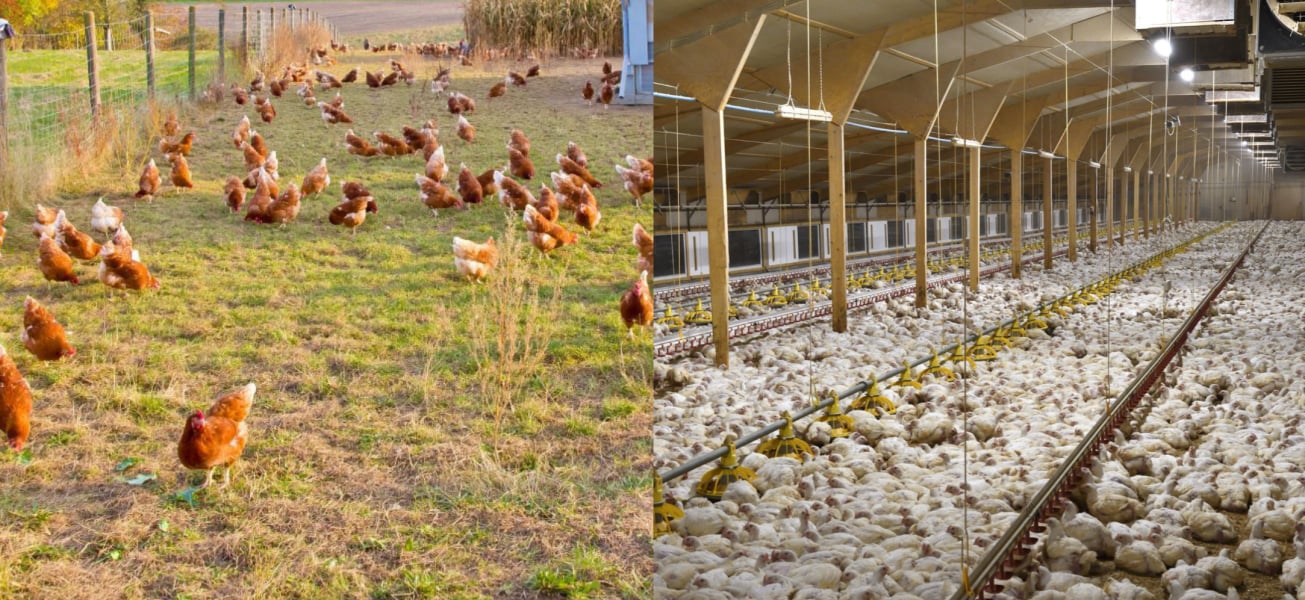
Cage Free
What they want you to think:
The animals are completely liberated, roaming outdoors, living in a natural environment.
What they actually mean:
“Cage-free” simply means that the animals are not kept in traditional cages (for example battery cages for hens). It does not guarantee outdoor access or large space — many such animals still live indoors, in barns or sheds.
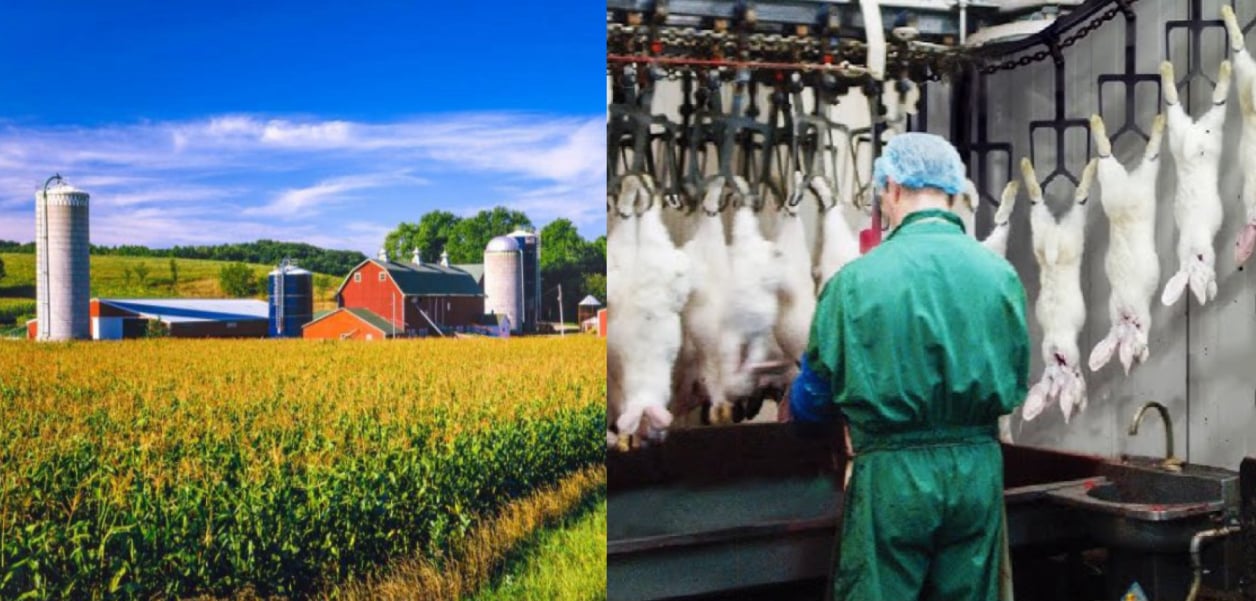
Farm-Fresh
What they want you to think:
From a small local farm, harvested and sold quickly, wholesome and high-welfare.
What they actually mean:
“Farm fresh” is mostly a marketing phrase and has no specific legal welfare standard attached. It may simply mean the product is unsliced or freshly packed, but gives no guarantee of animal raising conditions, feed quality or outdoor access.
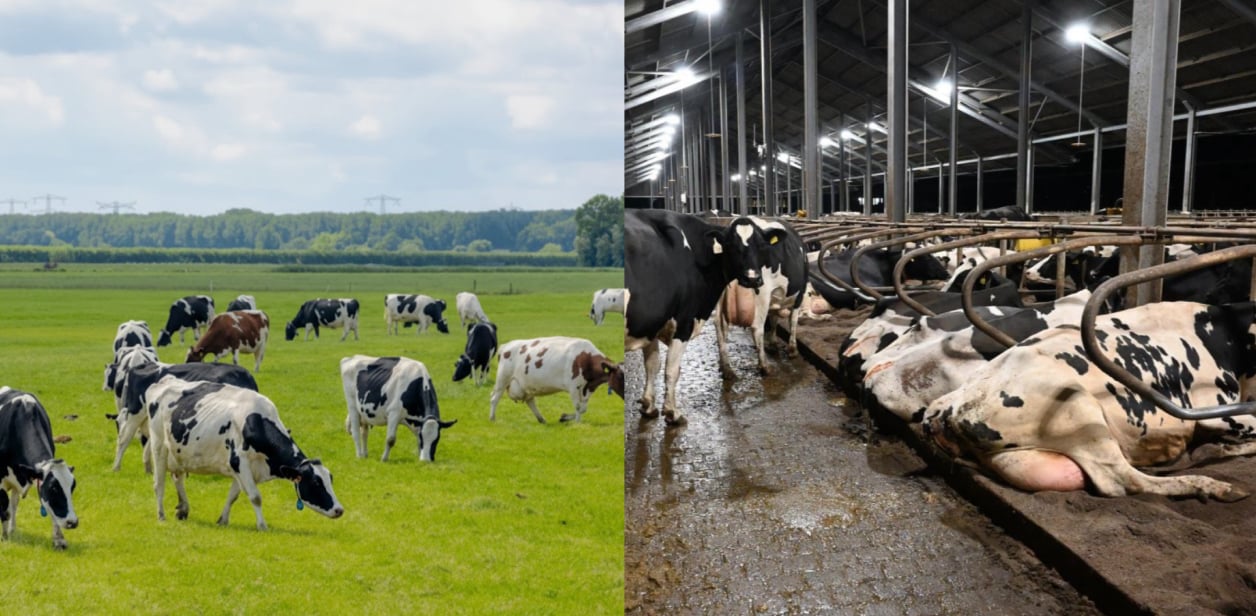
Grass-Fed
What they want you to think:
They want you to picture animals grazing freely on lush green pasture for their entire lives, eating nothing but grass and living naturally — no grain‑finishing, no confinement, “just nature”.
What they actually mean:
In the UK, the term “grass fed” has no strict legal definition.
At minimum, it requires that the animal was primarily fed grass, but “primary” could mean as little as 51% of the diet. It also says nothing about how much pasture access the animal had, how long it lived outdoors, or whether other feed (grain, silage, concentrates).
Pasture Raised
What they want you to think:
Chickens or animals roaming lush green pastures from dawn to dusk, eating bugs, grass, living as nature intended.
What they actually mean:
While “pasture-raised” implies outdoor access and grazing, the term is not consistently legally regulated in many regions. For example, one standard from Humane Farm Animal Care defines “pasture-raised” with specific space (108 sq.ft per bird) and continuous outdoor access—but many goods using the term do not meet that standard.
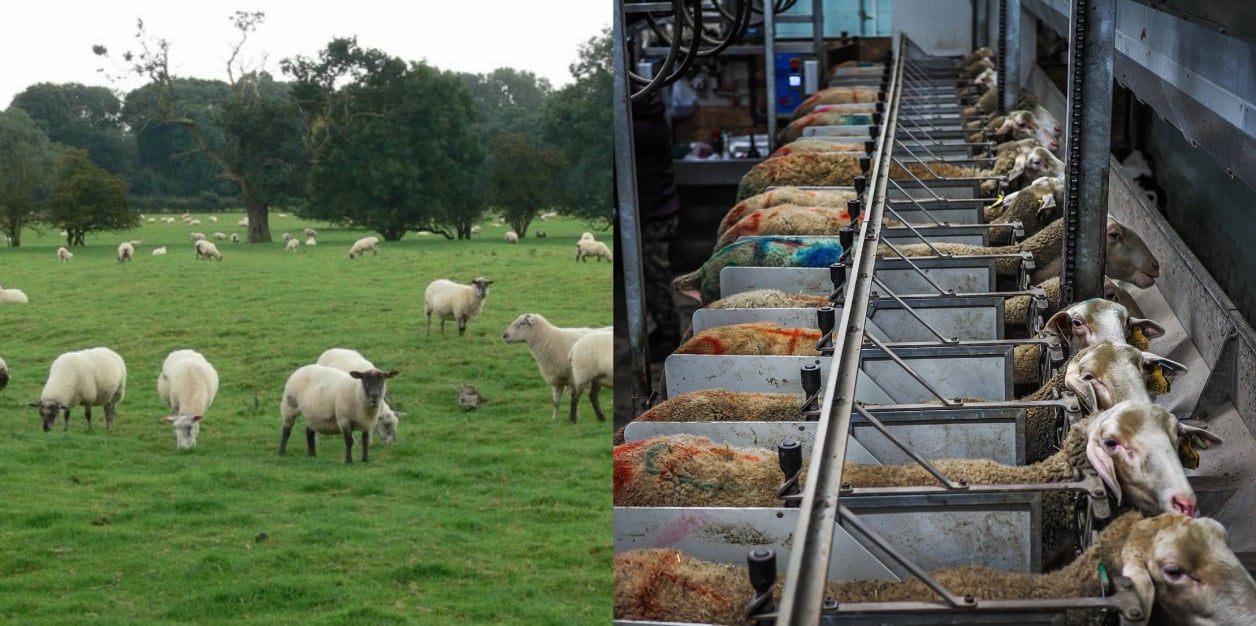
Free Range
What they want you to think:
Happy hens or animals roaming your own farmyard or meadow, pecking bugs, stretching their wings in freedom.
What they actually mean:
In the UK for example: “free-range” laying hens must be given access to the outdoors, but the quantity, quality and actual usage of that area can vary widely. For poultry meat, regulations say an open-air run must provide at least 1 m² per chicken but only for half of their lifetime.
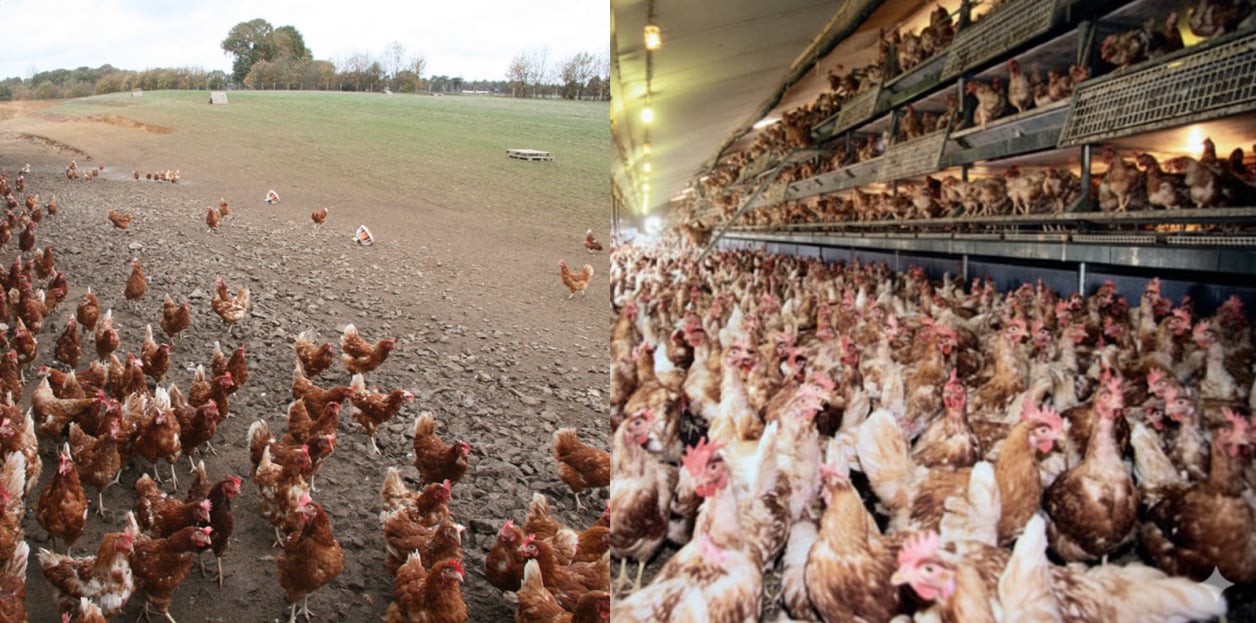
Outdoor Reared
What they want you to think:
The animals were raised entirely outdoors in open fields, grazing freely, enjoying sunshine and fresh air.
What they actually mean:
This term isn’t legally defined in many jurisdictions, so “outdoor reared” may simply mean the animals had some access to an outside area, which might be small, limited or only for part of the day. There may still be confinement indoors for much of their lives.
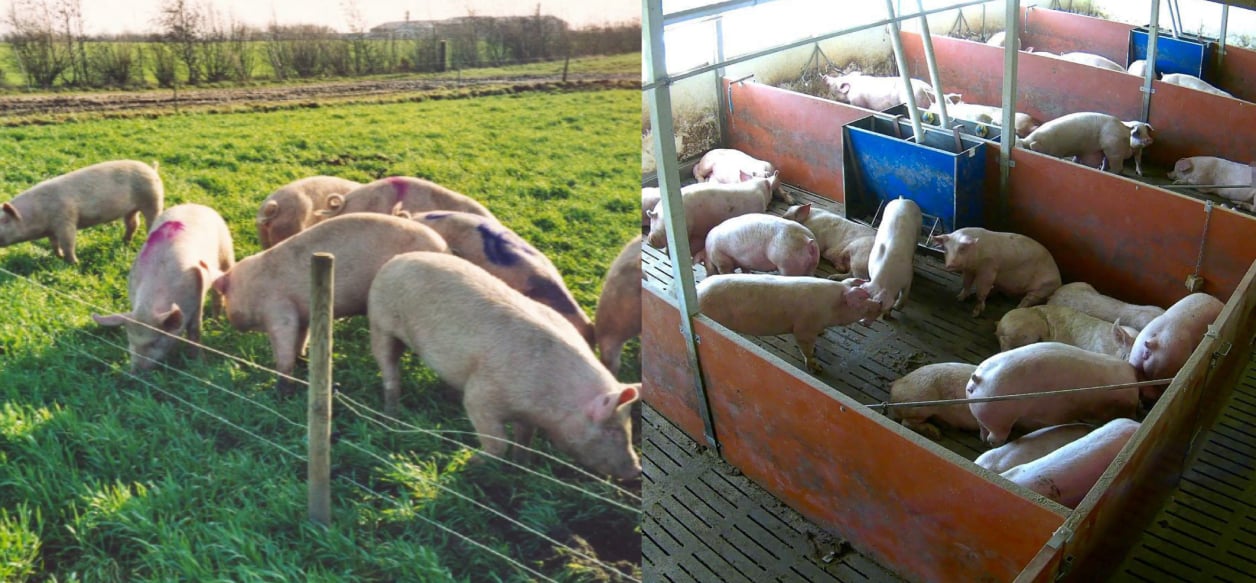

Sources
https://eatingbetter.org/site/assets/files/10374/public_attitudes_survey_2024_final.pdf?
https://bryantresearch.co.uk/insight-items/transparent-animal-labels/?
https://thehumaneleague.org.uk/article/what-do-labels-on-chicken-products-in-the-uk-actually-mean?
https://www.rspcaassured.org.uk/farmed-animal-welfare/pigs/pig-rearing-systems-in-the-uk/?